Greece is often synonymous with sun-soaked islands and pristine beaches, but beyond the blue waters of the Aegean and Ionian Seas lies a land rich in history, rugged landscapes, and deep-rooted traditions. From the awe-inspiring ruins of ancient civilizations to the hidden mountain villages that preserve Greece’s cultural heritage, there is much to explore beyond the famous island destinations. This guide delves into the mainland’s wonders, from archaeological sites to scenic mountain retreats and vibrant cultural festivals.
The Timeless Majesty of Ancient Ruins
Greece’s historical significance is evident in its vast array of ancient ruins that stretch across the mainland, telling the story of a civilization that shaped the world.
Athens: The Cradle of Western Civilization
Athens, the Greek capital, is home to some of the most significant ancient sites, including:
- The Acropolis – Dominated by the Parthenon, this UNESCO World Heritage site stands as a testament to the grandeur of classical Greece.
- The Ancient Agora – Once the heart of Athenian public life, this marketplace was where Socrates and Plato engaged in philosophical discussions.
- The Temple of Olympian Zeus – One of the largest temples of antiquity, dedicated to Zeus, the king of the gods.

Delphi: The Center of the Ancient World
Delphi was considered the spiritual center of ancient Greece. Home to the famed Oracle of Apollo, this UNESCO-listed site features the Temple of Apollo, the Theater of Delphi, and the Stadium, all set against the dramatic backdrop of Mount Parnassus.

Epidaurus: The Healing Sanctuary
Renowned for its stunning open-air Ancient Theater, Epidaurus is also home to the Sanctuary of Asclepius, an ancient healing center dedicated to the god of medicine. The theater, known for its exceptional acoustics, still hosts performances during the summer months.

Mycenae: The Kingdom of Agamemnon
A site of great historical significance, Mycenae was a major center of Greek civilization during the Bronze Age. Visitors can explore the Lion Gate, the Cyclopean Walls, and the legendary Treasury of Atreus, believed to be the tomb of Agamemnon, the leader of the Greeks in the Trojan War.

Exploring Greece’s Breathtaking Mountain Villages
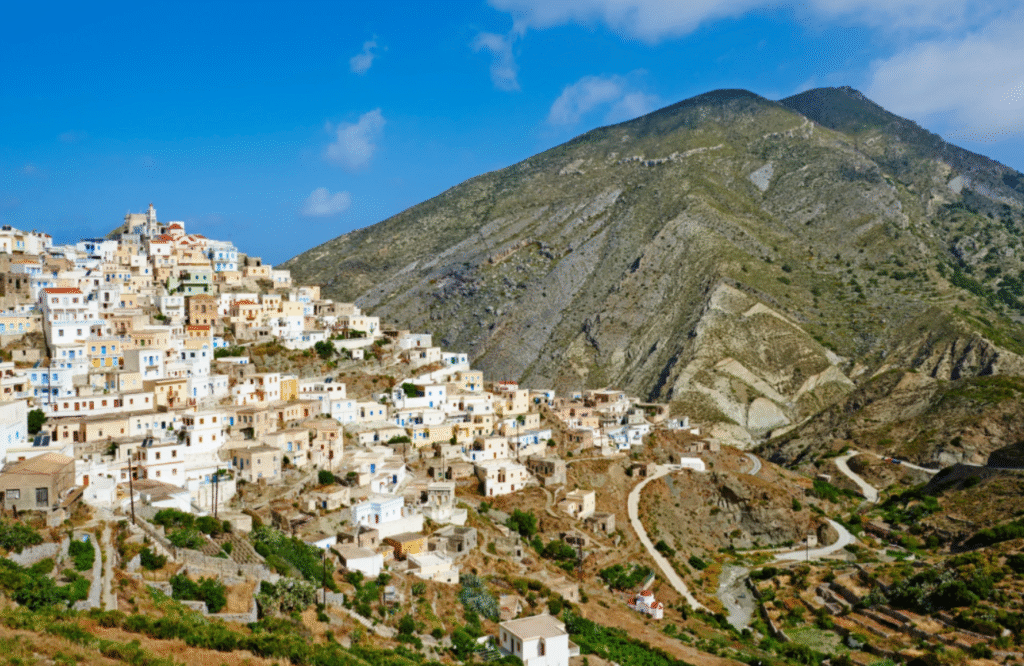
Beyond its coastal beauty, Greece boasts rugged mountains dotted with charming villages that have preserved their traditions for centuries.
Meteora: Monasteries in the Sky
A UNESCO World Heritage site, Meteora is famous for its monasteries perched atop towering rock pillars. Originally built by monks seeking spiritual isolation, six monasteries remain active today, offering visitors a glimpse into monastic life and breathtaking panoramic views.
Zagorohoria: The Hidden Gems of Epirus
Nestled in the Pindus Mountains, the Zagorohoria villages are known for their stone-built houses, arched bridges, and incredible natural beauty. Highlights include:
- Vikos Gorge – One of the deepest gorges in the world, perfect for hiking and nature lovers.
- Papingo – A picturesque village with stone cottages and stunning mountain views.
- Monodendri – The gateway to Vikos Gorge and home to the 15th-century Agia Paraskevi Monastery.
Pelion: The Mythical Land of the Centaurs
Located between the Aegean Sea and the Pagasetic Gulf, Mount Pelion is an enchanting destination with lush forests, traditional villages, and pristine beaches. The villages of Makrinitsa, Tsagarada, and Portaria retain their old-world charm with cobbled streets, grand mansions, and cozy tavernas serving local delicacies.
Mount Olympus: The Abode of the Gods
As the mythical home of Zeus and the Greek gods, Mount Olympus is the highest peak in Greece. Adventurous hikers can embark on trails leading to the Mytikas Summit at 2,918 meters, where they can enjoy breathtaking views of the surrounding landscapes.

Greece’s Vibrant Cultural Festivals
Greek culture comes alive through its numerous festivals, where ancient traditions and modern celebrations blend harmoniously.
Athens & Epidaurus Festival (June–August)
One of Greece’s most prestigious cultural events, this festival features theatrical performances at the ancient theaters of Athens and Epidaurus, as well as concerts, dance performances, and art exhibitions.
Carnival of Patras (January–February)
The Patras Carnival is Greece’s largest and most extravagant carnival celebration, featuring elaborate parades, masquerade balls, and street performances.
Easter in Greece (March/April, depending on the Orthodox calendar)
Easter is the most significant religious celebration in Greece, marked by candlelit processions, fireworks, and grand feasts. Some of the most spectacular Easter celebrations take place in:
- Corfu – The famous “Pot Throwing” tradition sees locals throwing clay pots from balconies to welcome spring.
- Chios – The Rocket War in the village of Vrontados features rival parishes firing fireworks at each other in a spectacular display.
- Meteora – Monasteries illuminate the night with candlelit services against a mystical backdrop.
Renaissance Festival of Rethymno (July–August)
Held on the island of Crete, this festival brings the Venetian era to life through theatrical performances, music, dance, and historical reenactments.
The Feast of the Assumption (August 15th)
Celebrated across Greece, this holiday honors the Virgin Mary with grand feasts, processions, and traditional dances, especially in villages and islands like Tinos and Paros.

The Underrated Beauty of Greece’s Inland Lakes and Rivers
While Greece is famous for its seas, its inland waterways are equally stunning.
Lake Plastira – The “Swiss Alps” of Greece
Surrounded by forests and mountains, Lake Plastira offers a serene escape with opportunities for kayaking, hiking, and horseback riding.
Voidomatis River – The Crystal-Clear Jewel of Epirus
One of the cleanest rivers in Europe, Voidomatis is ideal for rafting and exploring the surrounding Vikos–Aoös National Park.
Prespa Lakes – A Haven for Birdwatchers
Nestled in northern Greece, these lakes are home to rare bird species and charming fishing villages, such as Psarades.