The Splendor of Budapest
Buda Castle and Fisherman’s Bastion
Budapest, Hungary’s capital, is a city of stunning architecture and historical landmarks. Buda Castle, a UNESCO World Heritage site, dominates the skyline from its hilltop location. Once home to Hungarian kings, it now houses the Budapest History Museum and the Hungarian National Gallery. Nearby, Fisherman’s Bastion offers some of the best panoramic views of the city, with its fairytale-like towers and intricate neo-Romanesque design. Walking through the historic Castle District provides a glimpse into Hungary’s medieval past.
The Danube Promenade and Parliament Building
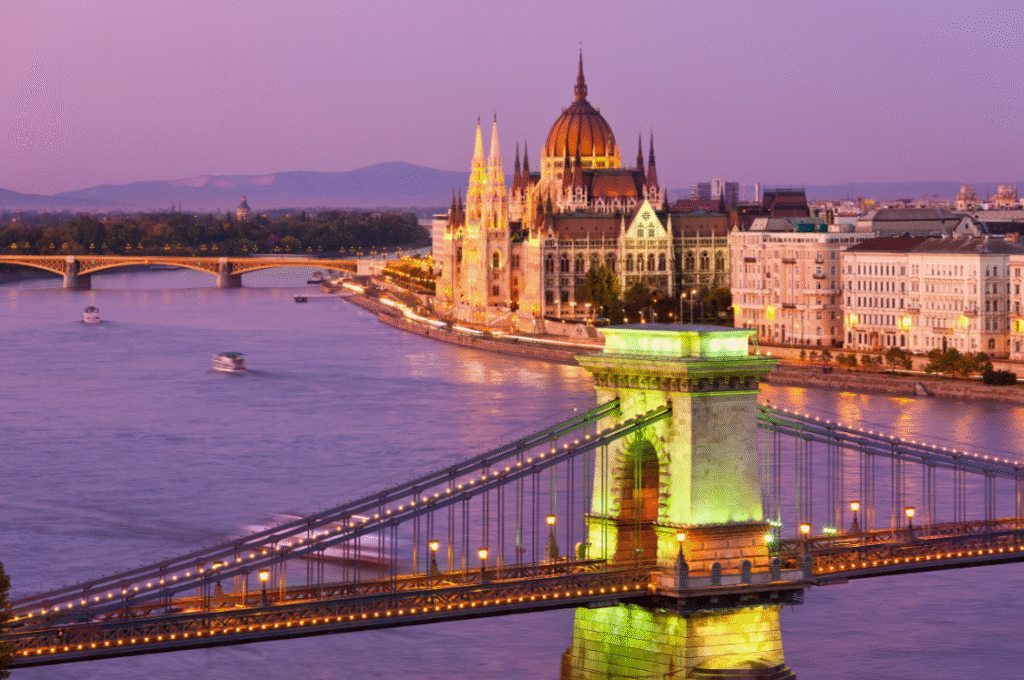
The Danube River divides Budapest into two distinct parts, Buda and Pest, and offers breathtaking views along the Danube Promenade. The Hungarian Parliament Building, one of Europe’s most iconic legislative buildings, stands as a masterpiece of neo-Gothic architecture. Its intricate details and impressive size make it a must-visit landmark. A boat cruise along the river, especially at night, provides a magical perspective of the illuminated bridges and historical buildings that line the waterfront.
St. Stephen’s Basilica and Heroes’ Square
St. Stephen’s Basilica, named after Hungary’s first king, is one of Budapest’s most significant religious landmarks. Visitors can climb to its dome for an incredible panoramic view of the city. Heroes’ Square, located at the entrance of City Park, is a grand tribute to Hungary’s founding leaders. The Millennium Monument, flanked by statues of national heroes, is a symbol of the country’s rich history and independence.
The Ruin Bars and Great Market Hall
Budapest is known for its unique ruin bars, which transform abandoned buildings into vibrant nightlife spots. Szimpla Kert, the most famous ruin bar, offers an eclectic atmosphere with mismatched furniture, artistic decor, and live music. For a more traditional experience, the Great Market Hall provides an opportunity to explore Hungarian cuisine, with vendors selling fresh produce, paprika, local meats, and street food favorites like lángos and kolbász.

The Famous Thermal Baths of Hungary
Széchenyi and Gellért Thermal Baths
Hungary is famous for its thermal baths, a tradition dating back to Roman times. Széchenyi Thermal Bath, one of the largest spa complexes in Europe, features warm medicinal waters in its outdoor pools, surrounded by grand neo-baroque architecture. The Gellért Thermal Bath, located within the luxurious Gellért Hotel, is renowned for its stunning Art Nouveau interior, mosaic tiles, and relaxing hot spring waters. Both baths offer a perfect way to unwind after exploring the city.
Rudas and Király Baths
For a more traditional experience, Rudas Bath retains much of its Ottoman-era charm, featuring a domed main pool and Turkish-style thermal pools. Király Bath, one of Budapest’s oldest spas, also dates back to the Ottoman period and provides a quieter, more intimate setting. These historic baths offer a unique blend of relaxation and cultural heritage, making them essential stops on any visit to Budapest.
Hévíz: The World’s Second-Largest Thermal Lake
Beyond Budapest, Lake Hévíz is a remarkable natural wonder. As the world’s second-largest thermal lake, its warm mineral-rich waters provide therapeutic benefits year-round. Visitors can float effortlessly on its surface, surrounded by lush greenery, making it a unique wellness retreat. The town of Hévíz also offers luxurious spa hotels and wellness centers that enhance the relaxing experience.

Exploring Hungary’s Countryside
Lake Balaton: The Hungarian Sea
Lake Balaton, Central Europe’s largest freshwater lake, is a popular retreat for both locals and tourists. The northern shore, home to the charming town of Tihany, offers breathtaking views, lavender fields, and the historic Benedictine Abbey. The southern shore, with towns like Siófok, is known for its vibrant nightlife and sandy beaches. Sailing, cycling, and wine tasting in the surrounding vineyards add to the lake’s appeal as a summer destination.
Eger: A Town of History and Wine
Eger, located in northern Hungary, is famous for its historic castle, baroque architecture, and rich wine culture. Eger Castle played a crucial role in Hungary’s defense against the Ottoman Empire, and its ruins provide a fascinating look into the country’s past. The town is also home to the stunning Eger Minaret, one of the few remaining Ottoman structures in Hungary. Wine lovers flock to the Valley of the Beautiful Women, where they can taste the region’s famous Egri Bikavér, or “Bull’s Blood” wine, in traditional cellars carved into the hillsides.
Hortobágy National Park: The Great Hungarian Plain
Hortobágy National Park, a UNESCO World Heritage site, showcases Hungary’s unique puszta, or steppe landscape. This vast, open plain is home to traditional Hungarian herdsmen, who continue to practice centuries-old methods of animal husbandry. Visitors can witness horseback riding demonstrations, spot native wildlife such as grey cattle and wild horses, and experience the region’s rustic charm. The park’s Nine-Hole Bridge and historic shepherd’s inns add to its cultural significance.
Pécs: A Cultural and Historical Gem
Pécs, one of Hungary’s most culturally rich cities, features a blend of Roman, Ottoman, and Hungarian influences. The city’s main attractions include the UNESCO-listed Early Christian Necropolis, the Pécs Cathedral, and the Mosque of Pasha Qasim, a remnant of Ottoman rule. Pécs is also known for its thriving arts scene, with galleries, museums, and street art making it a hub for creatives. Visitors can explore the Zsolnay Cultural Quarter, home to stunning ceramic art and historical exhibitions.

Hungarian Cuisine and Traditions
Traditional Hungarian Dishes
Hungarian cuisine is a rich blend of flavors, influenced by centuries of culinary traditions. Goulash, a hearty beef stew seasoned with paprika, is Hungary’s national dish and a must-try for visitors. Halászlé, or fisherman’s soup, is a spicy fish dish commonly enjoyed along the banks of the Danube and Tisza rivers. Lángos, a deep-fried dough topped with sour cream and cheese, is a popular street food that pairs well with a refreshing beer. Other local specialties include pörkölt, a slow-cooked meat stew, and túrós csusza, a pasta dish with cottage cheese and bacon.
The Tokaj Wine Region
Hungary’s Tokaj region is world-famous for its sweet wines, particularly Tokaji Aszú, which has been dubbed the “wine of kings.” The vineyards of Tokaj produce exceptional white wines due to the area’s unique climate and volcanic soil. Visitors can tour historic wine cellars, taste various vintages, and learn about the centuries-old winemaking process that has made Tokaj a UNESCO-listed wine region.
Hungarian Festivals and Folk Traditions
Hungary hosts numerous festivals celebrating its cultural heritage. The Budapest Wine Festival, held at Buda Castle, showcases the country’s best wines with tastings, live music, and traditional dance performances. The Busójárás festival in Mohács is a unique folk event where costumed revelers in wooden masks chase away winter with lively parades and bonfires. The Mangalica Festival, dedicated to Hungary’s prized breed of pig, features local delicacies, artisan products, and a lively atmosphere in the heart of Budapest.